Electrical Electrical Wiring for Kitchen Remodels in Orange County
Remodeling a kitchen area touches almost every part of a home, but nothing drives function and security like the wiring. Stoves and ovens pull heavy loads. Counter tops grow appliances that surge on and off all day. Lighting requirements are layered and exact. Codes progress every few years. In Orange County, the distinction in between a kitchen area that carries out effortlessly and one that constantly trips breakers boils down to planning, dedicated circuits, and tidy execution backed by authorizations and inspections.
I have walked into plenty of smooth, recently tiled cooking areas where the espresso device and toaster fight over the same 15 amp circuit. By the 2nd weekend, the homeowner is searching for an Orange County electrician to troubleshoot annoyance trips. Good wiring prevents headaches like that. It anticipates usage, integrates in margin, and respects the regional inspector's red pen.
How Orange County sees kitchen wiring
Most jurisdictions in Orange County impose the California Electrical Code, which is based upon the National Electrical Code and upgraded on a statewide cycle. Cities can include amendments, so Costa Mesa may not match San Clemente on every information. In practice, inspectors around the county consistently expect:
- Two or more 20 amp little device branch circuits serving the countertop and dining areas, wired in 12 gauge copper and protected by GFCI and AFCI. Dual function breakers make this straightforward.
- Dedicated circuits for heavy home appliances such as integrated microwaves, wall ovens, electrical varieties, and frequently the dishwashing machine and disposal.
- Tamper resistant receptacles, plainly identified breakers, and proper box fill and grounding.
- Lighting on its own circuit, with Title 24 certified controls and high effectiveness fixtures.
Designers sometimes deal with code like a box to examine at the end. That method invites compromises. The very best outcomes come when the homeowner, contractor, and a licensed electrician Orange County trusts make electrical choices at the same time as cabinets, devices, and lighting. Adjusting a cabinet layout is pain-free on paper, costly after drywall.
Start with how you live, then layer on code
I ask property owners to describe a typical early morning in the kitchen. Do you grind beans for espresso and run the toaster while a waffle iron heats up? Will two or three people prepare together on weekends, each with their own small home appliances on opposite counters? Does the island function like a 2nd preparation station, or primarily as a seating area with laptops and battery chargers? Those responses shape where to put outlets, the number of circuits to supply, and where to separate loads so that household regimens do not develop electrical choke points.
Residential cooking areas in Orange County normally use NM-B copper cable in wood-framed walls, often MC cable in multi-unit structures or where a rated wall requires it. Conduit is common in business areas, and a commercial electrician Orange County groups count on will have various practices than a residential electrician Orange County homeowners bring in for remodels. Make certain your Orange County electrical contractor is experienced with kitchen areas, not simply service calls. The details matter.
Circuits that make a kitchen feel bigger
A 20 amp circuit can provide 2,400 watts max at 120 volts, but constant and simultaneous loads eat into that cushion rapidly. Modern countertop appliances can pull 1,200 to 1,500 watts each. Stack a high draw toaster with https://privatebin.net/?1463f7ba8f1920f2#29nesUwju2njRtg91eQgTSyL5xPnKSJeeoe32BLnkeHE an espresso device, and half a circuit is gone. A 3rd home appliance switching on can tip it over if the microwave shares that very same branch.
That is why the code needs a minimum of two small home appliance circuits for the countertop and dining areas. In practice, I typically pull 3 when the kitchen is big or the household entertains frequently. Splitting the kitchen area into zones assists. Left wall shares one circuit, best wall another, island a third. When a client hosts large Sunday breakfasts, that zoning prevents a breaker journey with a counter filled with waffle makers and frying pans. It costs a bit more wire and an additional breaker, but the reward is day-to-day convenience.
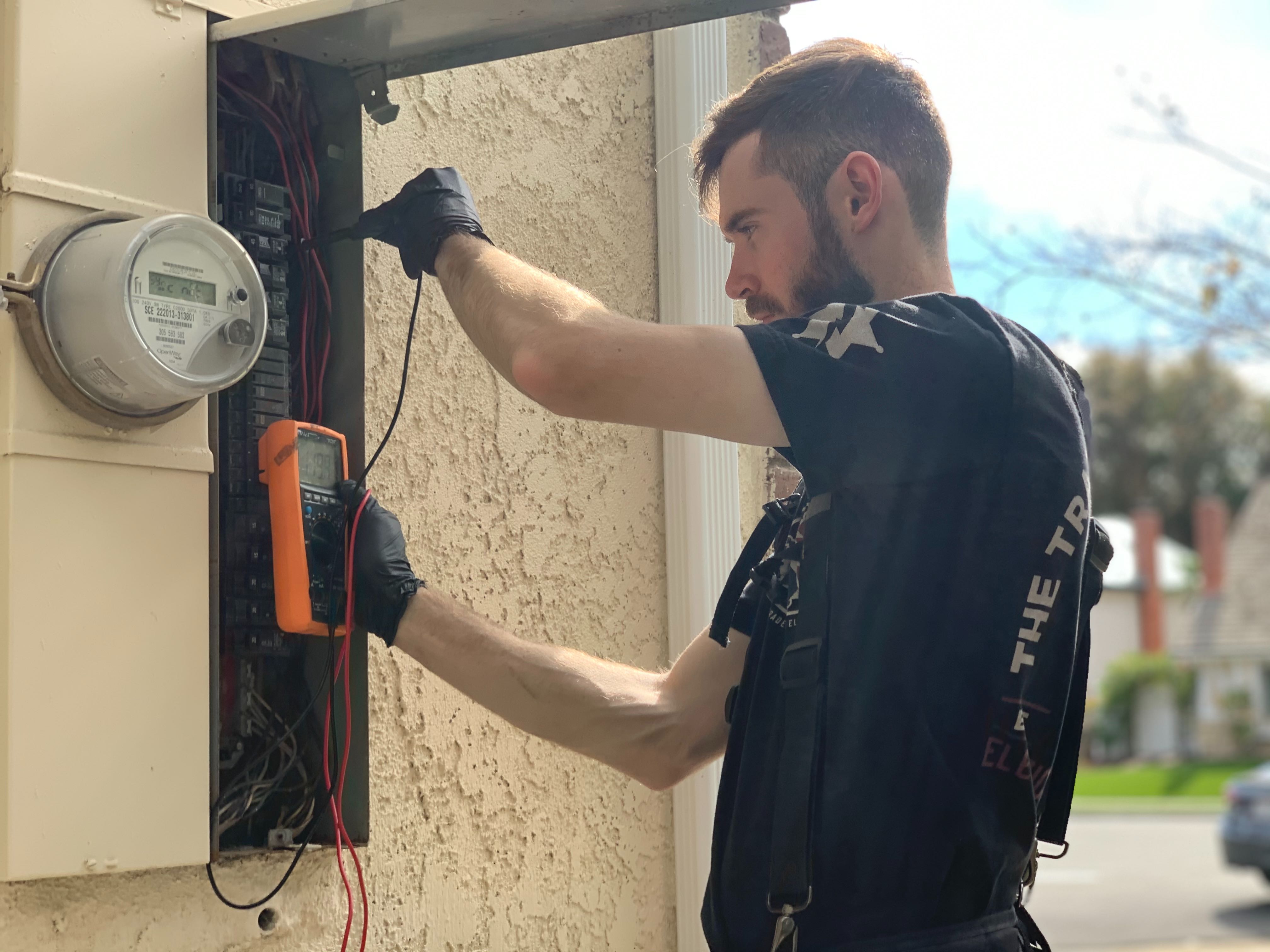
Dishwashers and disposals utilized to share a circuit frequently. With today's motor currents and code expectations for protection, many Orange County inspectors choose a dedicated 15 or 20 amp circuit for each. An integrated microwave nearly always merits its own 20 amp circuit. Fridges are not strictly required to be on a devoted circuit by code in every case, however I suggest it to minimize problem trips and avoid food loss.
A quick planning checklist that keeps jobs on track
- Pull a load sheet early, using the real device specs, not guesswork.
- Confirm panel capability for added circuits, and set up an electrical panel upgrade Orange County homeowners typically need if you are brief on areas or amperage.
- Commit to outlet places before cabinet order, particularly for home appliance garages and islands.
- Coordinate undercabinet lighting chauffeurs and dimmer types to avoid flicker.
- Meet the inspector at rough-in when possible to deal with island receptacle placement and any local twists.
Islands, peninsulas, and the moving target of receptacle rules
Island and peninsula receptacles create more dispute than any other kitchen information. Inspectors want at least one receptacle offered for little home appliances. Recent code cycles have shifted the precise requirements and chosen places, and California's adoption timeline can lag nationwide modifications. In the field around Orange County, inspectors frequently request receptacles on the side of the island cabinet, high enough to be accessible however not on the horizontal counter top surface. If waterfall stone panels are prepared, strategy electrical wiring paths early so boxes do not conflict with panel supports.
Running power to an island in a slab-on-grade home means trenching or sawcutting and patching the slab. Budget and schedule for that. When designs alter late, I have actually had customers spend a thousand dollars more than they anticipated just to feed a single island box. In raised foundation homes, a crawlspace streamlines the run.
Lighting that in fact works while you cook
Task lighting over counters, ambient lighting in the room, and accent lighting for cabinets interact. Recessed lighting Orange County homes preferred a years back has actually progressed. Less, better positioned cans with large beam trims coupled with undercabinet strips typically deliver much better outcomes than a grid of small downlights. Title 24 needs high efficacy sources and particular control techniques. Dimmers must be compatible with the LED chauffeurs used. I have seen more flicker calls traced back to mismatched clever dimmers than to bad fixtures.
Under cabinet lights must be continuous where possible. Breaks or shadows land exactly where you are chopping. Location chauffeurs or power materials in accessible locations, not above a permanently blocked soffit. If you want a touchless faucet and a waste disposal unit air turn on the very same counter, plan those low voltage control wires and box sizes with the cabinet drawings on the table.
A chandelier or pendant group above the island adds warmth and assists the kitchen area feel like part of the home. Different the lighting circuits so job lights stay bright while pendants dim for supper. A lighting setup Orange County inspector will appreciate clear labeling and neutral availability in switch boxes for future clever controls.
GFCI, AFCI, and the case for double function breakers
Every receptacle serving counter top surfaces needs ground fault protection. Many dishwashing machines now require GFCI also, whether hardwired or cord-and-plug. Arc fault protection is required for a lot of 120 volt kitchen circuits, consisting of little appliance circuits and often the dishwashing machine and disposal. Utilizing double function AFCI/GFCI breakers at the panel cleans up compliance and prevents stacking gadgets in shallow boxes.
Self test GFCI receptacles are still helpful where code allows, particularly at the first outlet on a run. If an annoyance journey happens, it is easier to reset at the device than hike to the panel. The secret is coordination. Do not stack GFCI on GFCI unintentionally. An Orange County electrical repair call I dealt with last year involved a microwave, a surprise GFCI in the kitchen, and a double function breaker fighting each other. The house owner had lost a weekend before calling a local electrical contractor Orange County neighbors advised. Ten minutes of testing identified the dispute, and one device swap solved it.
Wire gauge, box fill, and workmanship
Small device circuits belong on 12 gauge copper for 20 amps. Do not downsize to 14 gauge anywhere on that run. Keep neutrals constant when using multiwire branch circuits. Pigtail neutrals and grounds nicely. Use spec grade, tamper resistant receptacles, not the cheapest specialist packs. I like deep 22 cubic inch single gang boxes for counter receptacles to allow for pigtails and GFCI devices without cramming.
On jobs where steam ovens or high humidity are in play, choose devices and covers rated for the environment. Stainless backsplashes look great, however they require accurate box placement and sometimes special gaskets to sit flush. Taking an additional hour throughout rough-in saves you from grinding tile or shimming cover plates later.
Appliance circuits that prevent purchaser's remorse
Here is a useful guide lots of Orange County house owners discover useful during style. It is not a replacement for code or an electrical assessment Orange County needs for permitted work, however it captures typical practice that works well in real kitchens:
- Range or cooktop and oven: Electric ranges typically require a 40 to 50 amp, 240 volt circuit utilizing 8 or 6 gauge copper, depending on the nameplate. Gas ranges still need a 15 or 20 amp, 120 volt circuit for ignition and lights. Wall ovens usually want a dedicated 240 volt circuit sized to their rating.
- Microwave: Integrated or microwave drawer units choose a 20 amp, 120 volt committed circuit. Over-the-range units also do finest by themselves go to avoid problem trips.
- Dishwasher and disposal: Each on a dedicated 15 or 20 amp, 120 volt circuit is common now. If sharing is allowed locally, utilize a 20 amp circuit with appropriate gadget ratings and protection.
- Refrigerator: A devoted 15 or 20 amp, 120 volt circuit lowers the possibility of a journey taking out your food. Keep this circuit as free as possible from other loads.
- Small home appliance circuits: Two or 3 20 amp, 120 volt circuits for counter top receptacles, zoned by area to spread loads.
If you are considering induction cooking, checked out the specifications carefully. Some induction varies desire greater amperage and neutral requirements. Provide your electrician the cut sheets before cabinets go to fabrication, not after.
Panel capability and when an upgrade makes sense
Many midcentury Orange County homes still run 100 amp main panels, and lots of 1970s and 1980s system homes have actually crowded 125 amp panels with limited areas. A kitchen area remodel often includes five to 8 brand-new circuits. If you are likewise planning an EV battery charger installation Orange County homes are embracing quickly, panel space and overall service amperage end up being real constraints.
An electrical panel upgrade Orange County inspectors see regularly can consolidate old tandem breakers, include modern AFCI/GFCI security, and prepare the home for future loads. In my experience, expenses for panel replacement Orange County vast array from approximately 2,500 to 5,500 dollars depending upon service size, grounding updates, and stucco or siding repair work. If the service drop or meter primary needs work, the energy coordination can include time. An exact same day electrical contractor Orange County service truck can switch a like-for-like subpanel quickly, but full service upgrades require licenses and energy scheduling.
Smart controls and low voltage that do not become a tangle
Smart home wiring Orange County property owners request usually includes wise dimmers, automated undercabinet lighting, and integration with voice assistants. Make certain your dimmer and component chauffeurs match on innovation, whether that is ELV, MLV, or 0 to 10 volt. Keep neutral conductors in every switch place for flexibility. Leave area in boxes for companion devices if multiway control is planned.
Low voltage wiring Orange County kitchen areas take advantage of includes Cat6 to a ceiling box for a cordless gain access to point, speaker wire to the family room, and a tidy route for a video camera covering a side lawn near a kitchen area door. Keep these far from high voltage where possible, and secure low voltage terminations from heat in cabinet cavities near ovens.

Permits, examinations, and what inspectors really look for
An allowed job protects resale worth and guarantees the circuitry fulfills current safety standards. Inspectors concentrate on a couple of recurring items in kitchen areas: GFCI and AFCI protection, right positioning and spacing of countertop receptacles, appropriate assistance and security of cable televisions, and clear panel labeling. They also inspect bonding of metal piping and gas lines as required by code, and they search for the proper disconnecting means for appliances.
Rough-in evaluations in Orange County are usually quick if the layout is clear. I suggest strolling the inspector through the island plan, any appliance garages, and the lighting control plan. That discussion can conserve a callback. Final assessment frequently flags missing device screws, mismatched dimmers, or a forgotten blank in a backsplash where a tile supplier covered a marked box. Great contractors build in a pre-final punch to capture those little misses.
Timelines and coordination with other trades
Electrical rough-in sits at the grace of cabinet delivery dates. A tidy sequence normally appears like this: demolition, framing modifications, mechanical and plumbing rough, electrical rough, examination, insulation, drywall, cabinets, counter templating, paint, electrical trim, appliance set, last assessment. When countertops slip, undercabinet light chauffeurs do not land where expected, and backsplash outlets wander relative to tile patterns. Hold a field conference with your Orange County electrical contractor and the tile setter before backsplashes increase. That 15 minutes keeps outlets focused and seams clean.
Cost ranges that show real jobs
Kitchens differ extremely, however in Orange County, homeowners typically spend 2,500 to 6,000 dollars on electrical work for a midrange remodel with brand-new lighting, devoted device circuits, and updated little home appliance runs. Larger kitchens with panel work, island trenching, and layered lighting can reach 8,000 to 12,000. Trenching a slab for an island circuit frequently runs 800 to 2,000 depending upon length and finish repair work. Utilizing spec grade devices, peaceful fan-rated switches, and double function breakers nudges expense up a little however repays in reliability.
If you get a quote that appears far lower than others, ask what is left out. Are AFCI breakers consisted of? Are tamper resistant, spec grade receptacles part of the count, or are you taking a look at standard gadgets? Is authorization handling and the electrical examination Orange County needs included? An economical electrical expert Orange County residents suggest can be both cost conscious and comprehensive, but make certain you are comparing the very same scope.
When to employ help fast
During remodels, a tripped main, a mysterious partial outage, or damage to a covert junction from demolition in some cases needs immediate attention. An emergency electrician Orange County groups can dispatch after hours keeps a project on schedule and safe. Not every misstep calls for a 24 hr electrician Orange County callout, but nobody wants a fridge down overnight. Choose a local electrical expert Orange County homeowners trust who can pivot from scheduled work to troubleshooting without derailing the entire job.
Choosing the ideal pro for your kitchen
Credentials, recommendations, and communication style matter. A licensed electrician Orange County inspectors understand by name will not rate code; they will consult the authority having jurisdiction when something unusual shows up. Look for an Orange County electrical contractor who reveals their load calc, labels circuits clearly, and has opinions about where to split small appliance zones. The best electrician Orange County property owners continue speed dial balances design sense with code literacy. Evaluations help, but stroll a prospect through your morning coffee routine and see if they ask the best follow-ups. A leading rated electrical contractor Orange County list may point you in the right instructions, but a cooking area remodel is successful when the group you choose listens and prepares, not just wires what the cabinet strategy suggests.
Edge cases and tradeoffs
Older homes with restricted wall cavities in some cases press you towards shallow boxes and creative designs. If you are preserving initial plaster, surface area raceway can be a classy compromise inside pantry locations. Where a stone piece backsplash runs complete height, a pop-up countertop outlet might be appealing. Speak with your inspector first. Some jurisdictions limit them or require specific listings and placements.
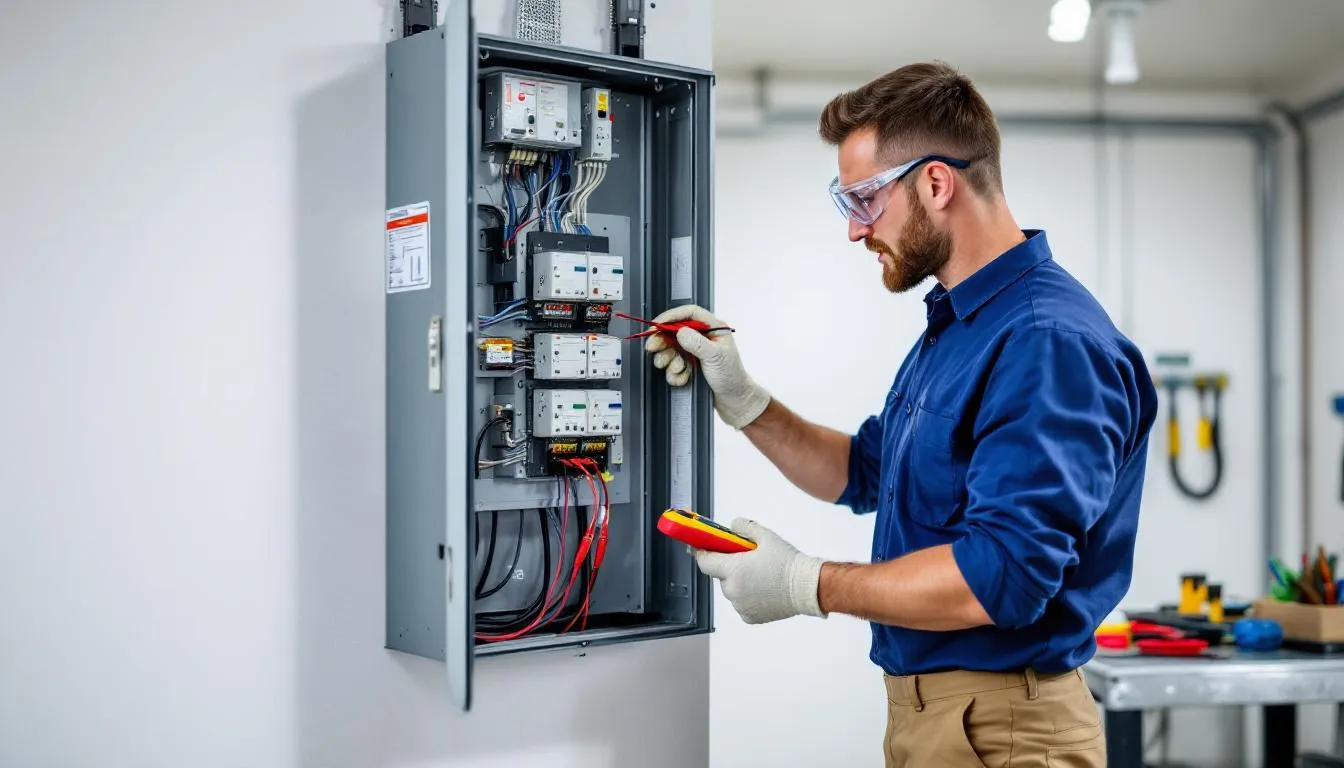
Gas lines utilizing corrugated stainless steel tubing require correct bonding, and not every plumbing professional keeps in mind to coordinate that. Your electrical expert must validate bonding and keep in mind any breaks in continuity triggered by remodel changes. If your panel is nearly full and you hope to minimize a service upgrade, cautious use of double function breakers and a tidy circuit map can purchase a few more areas, however do not crowd the panel past its listing.
If you entertain outdoors and your kitchen area opens to an outdoor patio, consider outside lighting Orange County guidelines for damp and moist area scores, and add a weather resistant GFCI near the grill zone by itself circuit. That choice prevents outside loads from sharing with your indoor countertop circuits.
If you are planning whole home rewiring Orange County wide as part of a larger remodel, sequencing the cooking area first can keep the household functional while other areas get opened. On the other hand, if your home still has old two wire circuits, it might be smarter to deal with the panel and foundation circuitry before finishing a high end kitchen area, so you are not ripping open fresh drywall to correct an aging feed later.
Generators are unusual for little kitchen areas, however a compact inverter generator setup Orange County property owners in some cases request for medical requirements or regular blackouts can keep the fridge and a few lights alive. A transfer switch with a dedicated fridge and a few kitchen area lighting circuits offers resilience without the footprint of an entire house system.
A couple of real world lessons from Orange County kitchens
In a Laguna Niguel remodel, the client desired a clean backsplash without noticeable outlets. We coordinated in-drawer charging and positioned island receptacles on the seating side. The inspector requested for an additional accessible receptacle serving a prep zone that had actually become device heavy. Because we had actually run a 3rd little home appliance circuit, adding that gadget did not overload anything or need rework.
In a 1978 Huntington Beach home, the panel had just 2 spare spaces and several tandems currently installed. The strategy called for a microwave drawer, dishwashing machine, disposal, white wine refrigerator, and three zones of undercabinet lights. We proposed a subpanel instead of forcing more tandems. The expense was a few hundred dollars more than squeezing, but the cooking area now has clear labeling, room for future circuits, and fewer problem trips. The property owner later on included an electrical car battery charger Orange County programs assisted refund, and the subpanel made that include simple.
And in an Objective Viejo slab home, the island had been included without a license years before. No power on the island suggested extension cords across strolling paths. Trenching the piece and core drilling the footing added two days, however the ended up outlet positioning combined with the cabinets, and the island now hosts mixers and laptops without a cable in sight.
Bringing everything together
A well wired cooking area is unnoticeable in every day life. Breakers do not trip when you plug in a brand-new gadget. Lights do not flicker on cam. Outlets are where your hands land. Attaining that requires in-depth planning, truthful load estimations, thoughtful circuit zoning, and clean craftsmanship. It also takes advantage of a specialist who knows how Orange County inspectors translate edge cases and who interacts early with your cabinet maker and counter top fabricator.
If you are simply starting, look for an electrician near me Orange County and talk to 2 or three companies. Ask for specifics on small appliance circuits, appliance loads, and lighting controls. Ensure licenses and assessments become part of the strategy. The best partner will not only wire your remodel to code, they will wire it to your life.